.png)


Traditional Apulian Food: The Ultimate Guide to Puglia’s Authentic Cuisine
Updated: Sep 11
When people think of Puglia, they often picture whitewashed towns, crystal-clear beaches and centuries-old olive trees stretching across the countryside.
But for many travelers, the true highlight of visiting this beautiful region is something even more memorable:
The food.
Traditional Apulian food is much more than a collection of recipes. It reflects centuries of history, the changing seasons, local traditions and the strong connection between the people and their land.
From handmade orecchiette and creamy burrata to freshly baked focaccia, extra virgin olive oil and family recipes passed down through generations, every dish tells the story of Puglia’s rich culinary heritage.
Unlike many modern cuisines, Apulian cooking is based on simplicity. A handful of fresh, high-quality ingredients are transformed into dishes that have become famous all over the world.
Whether you’re planning your first trip to Puglia or simply want to discover what makes its cuisine so unique, this guide will introduce you to the region’s most authentic flavors and show you where to experience them during your visit.

⸻
Table of Contents
* Why Is Traditional Apulian Food So Special?
* The History of Apulian Cuisine
* Cheese and Dairy Products
* Bread and Street Food
* Meat and Seafood
* Traditional Desserts
* Olive Oil and Wine
* Where to Experience Authentic Apulian Food
* Frequently Asked Questions
⸻
Why Is Traditional Apulian Food So Special?
Puglia is often described as one of Italy’s greatest food destinations.
Unlike regions known for elaborate recipes or rich sauces, Apulian cuisine celebrates freshness, seasonality and simplicity.
For centuries, local families have relied on ingredients produced just a few kilometers from home.
Fresh vegetables.
Durum wheat.
Fresh cheeses.
Homemade bread.
Locally produced wine.
Rather than masking ingredients with complicated techniques, Apulian cooking allows every flavor to speak for itself.
This philosophy has made the region one of Italy’s most authentic culinary destinations.
⸻
A Cuisine Born from the Land
Apulian cuisine has always been deeply connected to agriculture.
Known as the “breadbasket of Italy”, Puglia produces enormous quantities of durum wheat, olive oil, vegetables, almonds and grapes.
Its fertile land and Mediterranean climate have shaped local cooking for centuries.
Even today, many traditional dishes are prepared using recipes that have changed very little over generations.
Food here follows the rhythm of nature.
Seasonal ingredients are not simply preferred.
They are essential.

⸻
More Than a Meal
In Puglia, food is also a way of bringing people together.
Family lunches often last for hours.
Recipes are shared from grandparents to grandchildren.
Guests are welcomed with generosity and encouraged to enjoy every course without rushing.
For locals, preparing food is an act of hospitality as much as cooking.
This is why many visitors discover that their favorite memories of Puglia are not only the dishes themselves, but the people and traditions surrounding them.
⸻
From Simple Ingredients to Extraordinary Dishes
One of the most remarkable aspects of Apulian cuisine is its ability to create unforgettable dishes using only a few ingredients.
Flour becomes handmade pasta.
Fresh milk becomes burrata.
Olives become world-famous extra virgin olive oil.
Simple vegetables become recipes that have been enjoyed for generations.
This philosophy of doing more with less is one of the reasons why Apulian food continues to captivate travelers from around the world.
⸻
Discover the Flavors of Puglia
Reading about traditional Apulian food is the perfect introduction.
Experiencing it firsthand is something entirely different.
Whether you’re learning to prepare handmade orecchiette, tasting freshly made burrata in a traditional masseria or sharing a homemade meal with local hosts, authentic food experiences offer one of the best ways to discover the true soul of Puglia.
The Most Famous Traditional Dishes of Puglia
One of the reasons visitors fall in love with Puglia is the incredible variety of traditional dishes found throughout the region.
Some recipes have become internationally famous, while others remain local treasures that can only truly be appreciated when enjoyed where they were born.
Each dish reflects the history, traditions and agricultural heritage of Southern Italy, using simple ingredients transformed into unforgettable meals.
Let's discover some of the foods that define authentic Apulian cuisine.
Orecchiette : Puglia's Most Iconic Pasta
No guide to traditional Apulian food would be complete without orecchiette.
Known as "little ears" because of their distinctive shape, orecchiette are the region's most famous handmade pasta and one of the strongest symbols of Apulian culinary tradition.
Made using only durum wheat semolina and water, they have been prepared by local families for generations using techniques passed down from parents to children.
Orecchiette are traditionally served with cime di rapa (turnip greens), tomato sauce or seasonal vegetables, but their versatility makes them one of the most loved pasta shapes in Italy.
👉 Learn more in our complete guide: What Are Orecchiette?
Burrata: The Creamy Jewel of Puglia
Created in the town of Andria, burrata combines a delicate mozzarella shell with a rich, creamy filling of fresh stracciatella.
Its fresh flavor and silky texture have made it one of Italy's most celebrated cheeses.
Although burrata is now enjoyed around the world, tasting it freshly made in Puglia is an entirely different experience.
Many local masserie continue producing burrata every day using traditional methods, offering visitors the opportunity to watch the cheesemaking process before tasting it just moments after it's prepared.
👉 Discover the story behind this iconic cheese in What Is Burrata?
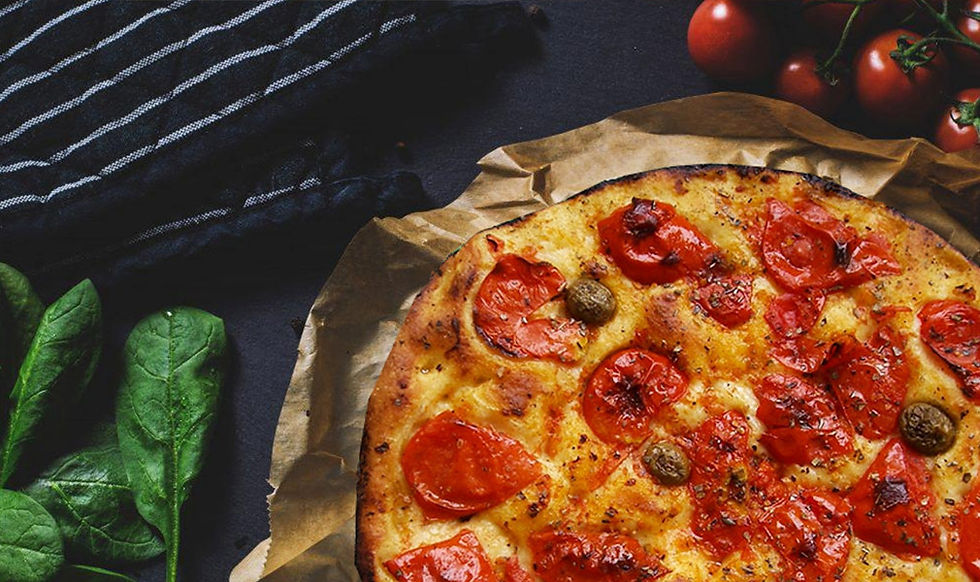
One of Puglia's most beloved street foods is Focaccia Barese.
Unlike many other Italian focaccias, the version from Bari is soft inside, slightly crispy outside and topped with cherry tomatoes, olives and generous amounts of extra virgin olive oil.
Simple yet incredibly flavorful, it can be enjoyed for breakfast, lunch or as an afternoon snack.
Walking through the streets of Bari without stopping for a slice of freshly baked focaccia is almost impossible.
Taralli: Puglia's Most Famous Snack
Crunchy, flavorful and impossible to stop eating, taralli are one of the most recognizable products of Puglia.
Made with flour, white wine, extra virgin olive oil and simple seasonings, they are baked until perfectly crisp.
Today, taralli come in countless varieties, including fennel seeds, onion, chili pepper and black pepper, making them a favorite snack for both locals and visitors.
Bombette: A Taste of the Itria Valley
If pasta represents the soul of Apulian cuisine, bombette represent its love for grilled meat.
Originally from the Itria Valley, these small rolls of pork are filled with cheese, herbs and spices before being cooked over charcoal.
Served hot and freshly grilled, bombette have become one of the region's most iconic street foods and are particularly popular in towns such as Martina Franca, Cisternino and Locorotondo.
Panzerotti
Golden, crispy and filled with melted mozzarella and tomato, panzerotti are another classic of Apulian street food.
Prepared fresh and fried to order, they are loved throughout the region and come with a wide variety of fillings, from classic mozzarella to vegetables, cured meats and local cheeses.
For many visitors, eating a freshly fried panzerotto is an essential part of discovering authentic Puglia.
More Than Recipes
These dishes are much more than local specialties.
They tell the story of the people who created them, the land that provides their ingredients and the traditions that continue to shape everyday life throughout Puglia.
Whether enjoyed in a family home, a traditional masseria or during an authentic food experience, every meal offers another opportunity to understand the culture of this extraordinary region.
The Ingredients and Products That Define Apulian Cuisine
Traditional Apulian food is not built only around famous dishes.
Its real strength comes from the extraordinary quality of the ingredients produced across the region.
From fresh cheeses and extra virgin olive oil to artisan bread, cured meats, seafood and wine, Puglia has a food culture deeply connected to agriculture, craftsmanship and seasonality.
Many of these products are still made using techniques that have been preserved for generations.
Understanding them is essential to understanding the cuisine of Puglia itself.
Fresh Cheese: Burrata, Mozzarella and Stracciatella
Cheese plays an important role in Apulian cuisine, especially fresh dairy products.
Among the most famous are:
Fior di latte mozzarella
Stracciatella
Ricotta
Caciocavallo
Canestrato
Burrata is undoubtedly the best-known internationally.
Its delicate mozzarella shell hides a creamy center made from stracciatella and fresh cream, creating one of the most distinctive textures in Italian cheesemaking.
Mozzarella and stracciatella are also widely enjoyed across the region, often served simply with tomatoes, olive oil, bread and seasonal vegetables.
In Puglia, freshness matters enormously. These cheeses are at their best when eaten shortly after production.
👉 Read our complete guide: What Is Burrata?
One of the most fascinating ways to understand Apulian cheese is to see it being made.
Inside traditional masserie, skilled cheesemakers known as casari still transform fresh milk into mozzarella, burrata and other cheeses by hand.
Watching the curd being stretched, shaped and transformed gives visitors a completely different appreciation for products they may have eaten many times before.
During a traditional Cheese Making Experience in Puglia, visitors can meet local producers, observe the process and taste fresh cheese directly where it is made.
Extra Virgin Olive Oil: The Foundation of Apulian Cooking
Few ingredients are more important to Puglia than extra virgin olive oil.
The landscape itself tells the story.
Across the region, ancient olive groves stretch for kilometers, with some trees estimated to be hundreds or even thousands of years old.
Olive oil appears in almost every part of traditional cooking.
It is used to:
Dress vegetables.
Finish pasta dishes.
Prepare focaccia.
Preserve vegetables.
Season seafood.
Add richness to soups and legumes.
Simply accompany fresh bread.
In Apulian cuisine, olive oil is not treated as a background ingredient.
It is one of the stars of the table.
👉 Read more: Olive Oil in Puglia
Bread: A Daily Tradition
Bread has always played an essential role in the traditional diet of Southern Italy.
Puglia is particularly famous for its rustic breads made from durum wheat flour.
Perhaps the best-known example is Pane di Altamura, celebrated for its thick crust, golden interior and long-lasting texture.
Bread traditionally accompanied almost every meal and was rarely wasted.
Older bread could be transformed into soups, salads or dishes based on tomatoes, olive oil and vegetables.
This culture of avoiding waste is an important part of traditional Apulian cooking.
Friselle: Puglia’s Twice-Baked Bread
Another essential part of Puglia’s bread tradition is the frisella (also known locally as frisa), a ring-shaped bread that is baked twice until completely dry and crisp.
Before eating, it is briefly soaked in water to soften it, then traditionally topped with ripe tomatoes, extra virgin olive oil, salt and oregano. Simple, fresh and deeply connected to the region’s rural traditions, friselle are especially popular during the hot summer months.
Different areas of Puglia have their own versions, made with durum wheat, barley or other flours, but the basic idea remains the same: a long-lasting bread transformed into a simple and flavorful meal with just a few local ingredients.
Among Puglia's most distinctive cured meats is Capocollo di Martina Franca.
Produced in the Valle d'Itria, it is made from pork and traditionally seasoned before being lightly smoked.
The result is a delicate cured meat with a distinctive aroma and flavor.
It is frequently served as part of an antipasto alongside local cheeses, vegetables, bread and wine.
For visitors traveling through the Valle d'Itria, tasting Capocollo di Martina Franca offers another opportunity to discover the area's unique gastronomic identity.
Seafood and the Two Seas of Puglia
Puglia is surrounded by the Adriatic and Ionian Seas, so seafood naturally plays an important role in regional cuisine.
Depending on the area and season, local tables may include:
Mussels
Octopus
Sea urchins
Clams
Anchovies
Fresh fish
Squid
In coastal towns, seafood is often prepared very simply.
Fresh fish may be grilled with olive oil and herbs, while mussels appear in pasta dishes, rice recipes and traditional preparations such as tiella barese.
Once again, simplicity allows the freshness of the ingredients to remain at the center of the dish.
Tiella Barese
One of Bari's most distinctive traditional dishes is tiella di riso, patate e cozze.
Layers of rice, potatoes and mussels are baked together with tomatoes, herbs and olive oil.
The dish reflects the combination of agricultural and maritime traditions that characterizes much of Apulian cuisine.
It is humble, filling and deeply connected to family cooking.
Vegetables and the Cuisine of the Countryside
Traditional Apulian cuisine is remarkably rich in vegetables.
Historically, many families relied heavily on produce grown locally, creating dishes based on what was available during each season.
Common ingredients include:
Cime di rapa
Eggplant
Zucchini
Artichokes
Fava beans
Chicory
Tomatoes
Peppers
Wild greens
One of the best-known examples is fave e cicorie, a simple dish combining puréed broad beans with bitter chicory.
It perfectly represents the philosophy of Apulian cooking: inexpensive ingredients transformed into something deeply satisfying.
Traditional Desserts of Puglia
Apulian cuisine also has a rich tradition of sweets and pastries.
Some of the best known include:
Pasticciotto
A small pastry traditionally filled with custard and strongly associated with Salento.
Cartellate
Thin strips of dough shaped into decorative spirals, fried and traditionally served during Christmas with honey or vincotto.
Sporcamuss
Layers of puff pastry filled with warm custard and finished with powdered sugar.
Bocconotti
Small pastries with different fillings depending on the local tradition.
Many of these sweets are connected to specific celebrations and family traditions rather than everyday eating.
Wine in Puglia
Puglia is also one of Italy's most important wine-producing regions.
Its warm climate and long agricultural history have produced several distinctive grape varieties.
Among the best known are:
Primitivo
Negroamaro
Nero di Troia
Verdeca
Bombino Bianco
Wine traditionally accompanies food rather than existing separately from it.
A glass of Primitivo may accompany grilled meats, while crisp local whites pair beautifully with seafood and fresh cheeses.
Experiencing Apulian cuisine without discovering its wine means missing an important part of the region's gastronomic identity.
A Cuisine Built Around Place
What connects all of these products is their relationship with the territory.
Durum wheat comes from local fields.
Olive oil comes from centuries-old groves.
Cheese reflects generations of rural farming traditions.
Wine grows from vineyards shaped by the Mediterranean climate.
Seafood comes from two surrounding seas.
Traditional Apulian food is therefore difficult to separate from Puglia itself.
The landscape is not simply the backdrop to the cuisine.
It is one of its main ingredients.
Reading about traditional Apulian food is fascinating.
Tasting it where it was born is something entirely different.
The most memorable culinary experiences in Puglia often happen far from formal restaurants. They take place in family kitchens, countryside masserie, local markets, olive groves and small towns where food is still deeply connected to everyday life.
If you want to experience authentic Apulian cuisine, these are some of the best ways to do it.
A masseria is one of the best places to understand the relationship between food, agriculture and rural life in Puglia.
Historically, masserie were fortified farmhouses at the center of large agricultural estates.
Today, many have been restored while preserving their connection to farming, olive oil production, cheesemaking and traditional cooking.
Depending on the property, visitors may be able to:
* Taste locally produced cheeses.
* Discover olive oil.
* Visit vegetable gardens.
* Learn about traditional farming.
* Enjoy meals prepared with ingredients produced on the estate.
* Meet artisans and local producers.
Experiencing food in a masseria allows you to see where many of Puglia’s most famous ingredients actually come from.
One of the most immersive ways to discover Apulian cuisine is through a cooking class in Puglia.
Instead of simply ordering traditional dishes at a restaurant, you prepare them yourself.
You may learn how to shape handmade orecchiette, discover traditional family recipes, taste local appetizers and sit down together to enjoy the meal you’ve prepared.
The best cooking classes are not simply lessons.
They are opportunities to spend time with local hosts, hear stories and understand the traditions behind each dish.
Fresh cheese is one of Puglia’s greatest culinary treasures.
Visiting a working masseria and meeting a local casaro offers a completely different perspective on products such as mozzarella, burrata and stracciatella.
During an authentic cheese-making experience, you can watch fresh milk being transformed by hand and learn why timing, temperature and technique are so important.
And then comes the best part:
Tasting the cheese while it is incredibly fresh.
Discover Puglia’s Olive Oil Tradition
Olive oil is everywhere in Puglia.
But tasting high-quality extra virgin olive oil directly where it is produced can completely change the way you understand this everyday ingredient.
An olive oil experience may include:
* Walking through ancient olive groves.
* Learning about harvesting.
* Understanding the production process.
* Learning how to taste olive oil correctly.
* Comparing different varieties.
It is a simple experience, but one that reveals how deeply olive trees are connected to the landscape and culture of Puglia.
Explore Local Markets
Markets are another wonderful way to discover local food culture.
Depending on the town and day of the week, you’ll find stalls filled with:
* Fresh fruit and vegetables.
* Local cheeses.
* Olives.
* Bread.
* Fish.
* Herbs.
* Seasonal produce.
Visiting a local market gives you a glimpse into what people actually cook and eat at home.
It also helps you understand how strongly Apulian cuisine changes with the seasons.
Eat in Small Family-Run Restaurants
Not every authentic experience needs to be organized.
Sometimes the simplest option is the best one.
Look for small trattorias and family-run restaurants where menus are based on regional recipes and seasonal ingredients.
Instead of searching only for the most fashionable restaurants, look for places where the food reflects the area you’re visiting.
A dish that is typical in Bari may be very different from something traditionally served in Salento or the Valle d’Itria.
That regional diversity is part of what makes Puglia so interesting.
Try the Local Street Food
Some of Puglia’s most authentic flavors are also the simplest. Instead of looking only for restaurants, stop at local bakeries, friggitorie and small takeaway spots.
Alongside famous specialties such as Focaccia Barese and panzerotti, you’ll also find lesser-known local traditions. Around Ostuni, look out for puccitedde: small pieces of bread or pizza dough fried until golden, crispy on the outside and soft and airy inside. Traditionally prepared in local homes, they are a simple example of Puglia’s rustic cooking, where a handful of basic ingredients can become something irresistible. They are best enjoyed freshly fried and still hot.
As you travel further south, you’ll encounter other local favorites such as puccia and rustico Leccese, while coastal towns offer their own traditions of freshly fried seafood.
Street food changes from one part of Puglia to another, and discovering these small local specialties is one of the easiest ways to taste the diversity of the region.
For travelers looking for something more intimate, a private dinner can combine regional cuisine with the atmosphere of a villa, masseria or private residence.
Rather than dining in a crowded restaurant, guests can enjoy a menu designed around local ingredients while spending the evening in a relaxed setting.
This can be particularly special for:
* Families.
* Groups of friends.
* Celebrations.
* Destination weddings.
* Retreats.
A private dinner also makes it possible to combine food with other cultural traditions, such as live music or Pizzica.
Puglia’s culture cannot be separated into neat categories.
Food, music and dance have traditionally existed together during celebrations and community gatherings.
For this reason, combining a traditional dinner with live Pizzica music or a dance experience can create a much deeper introduction to the region.
You aren’t simply tasting Puglia.
You’re experiencing its atmosphere.
👉 Discover What Is Pizzica?
How to Recognize an Authentic Food Experience
With so many experiences available online, authenticity can sometimes be difficult to judge.
Before booking, look for experiences that prioritize:
* Local hosts and producers.
* Small groups.
* Seasonal ingredients.
* Hands-on participation.
* Regional recipes.
* Genuine storytelling.
* Time to enjoy the experience without rushing.
Authentic doesn’t necessarily mean rustic or inexpensive.
A luxury experience can be completely authentic if it remains connected to local people, ingredients and traditions.
Slow Down and Eat Like a Local
Perhaps the most important advice is also the simplest:
Don’t rush.
Apulian food is best experienced slowly.
Take time to talk to producers.
Ask questions.
Taste ingredients.
Sit at the table.
Order another glass of wine.
Allow lunch to last longer than expected.
Some of the most authentic moments of your trip may happen when there is nothing left on the itinerary except sharing food with other people.
At Senti La Puglia, we believe food is one of the most powerful ways to connect with the region.
Our experiences are designed to bring visitors closer to local traditions through the people, recipes and ingredients that make Puglia unique.
From handmade pasta and traditional cheesemaking to local products and intimate dinners, every experience offers a different way to discover the region.
What to Eat in Puglia: A Practical Food Guide for Travelers
If you’re visiting Puglia for the first time, the number of local dishes can feel overwhelming.
Every town has its specialties, every family has its own recipes and many foods change depending on the season.
The good news is that you don’t need to try everything in one trip.
Start with the classics, then allow yourself to discover whatever is fresh and local wherever you happen to be.
Here are some of the foods we believe every traveler should try at least once.
What food is Puglia famous for?
Puglia is especially known for orecchiette, burrata, focaccia Barese, extra virgin olive oil, panzerotti, bombette and pasticciotto. But the region’s cuisine goes far beyond its most famous dishes. Here are 10 traditional foods every traveler should try during a visit to Puglia.
10 Traditional Foods You Should Try in Puglia
1. Orecchiette
Puglia’s most iconic pasta.
Try them with cime di rapa, tomato sauce or other seasonal ingredients.
If you’re curious about their history, shape and traditional preparation, read our complete guide to What Are Orecchiette?
2. Burrata
Creamy, delicate and best enjoyed extremely fresh.
Look for locally produced burrata and serve it simply with bread, tomatoes and extra virgin olive oil.
Soft in the center, crisp around the edges and traditionally topped with tomatoes, olives and olive oil.
It is one of the simplest pleasures of a trip to Puglia.
4. Panzerotto
A pocket of dough traditionally filled with tomato and mozzarella and fried until golden.
Eat it while it’s hot.
5. Bombette
Small rolls of pork traditionally associated with the Valle d’Itria.
They are especially worth trying in towns such as Cisternino and Martina Franca.
6. Fave e Cicorie
A traditional combination of broad bean purée and bitter wild chicory.
It is one of the best examples of how Apulian cuisine can transform humble ingredients into a deeply satisfying dish.
7. Tiella Barese
Rice, potatoes and mussels baked together in one of Bari’s most characteristic traditional dishes.
8. Fresh Mozzarella and Local Cheese
Don’t limit yourself to burrata.
Fresh mozzarella, stracciatella, ricotta and aged cheeses are an important part of Puglia’s gastronomic culture.
9. Fresh Seafood
If you’re staying near the coast, take advantage of the Adriatic and Ionian Seas.
Mussels, octopus, fish and other seafood are deeply rooted in local cooking.
10. Pasticciotto
Finish with one of Salento’s most famous pastries: a small pastry shell traditionally filled with custard.
⸻
Is Apulian Food Different from Other Italian Food?
Very much so.
Italy doesn’t really have one single cuisine.
Every region developed its own recipes based on local agriculture, geography, climate and history.
Puglia’s cuisine is particularly influenced by:
* Durum wheat.
* Olive oil.
* Vegetables.
* Legumes.
* Fresh cheese.
* Seafood.
* Mediterranean herbs.
* Local wine.
Compared with some northern Italian cuisines, traditional Apulian cooking generally relies less on butter and rich cream-based preparations and much more on olive oil, vegetables, grains and simple seasonal ingredients.
Is Puglia Good for Vegetarians?
Absolutely.
In fact, Puglia can be one of the easiest Italian regions for travelers who enjoy vegetable-based cuisine.
Many traditional dishes naturally revolve around:
* Legumes.
* Vegetables.
* Pasta.
* Bread.
* Olive oil.
* Cheese.
Dishes such as fave e cicorie, vegetable antipasti, orecchiette with vegetables and numerous preparations involving eggplant, artichokes, tomatoes and wild greens are part of the traditional cuisine rather than modern vegetarian adaptations.
Of course, travelers with specific dietary requirements should always ask about ingredients when ordering.
What Is the Best Time of Year for Food in Puglia?
There isn’t one single best season because the food changes throughout the year.
Spring
A wonderful period for fresh vegetables, wild greens, artichokes and seasonal dishes.
Summer
Tomatoes, fresh cheeses, fruit, seafood and simple dishes become central to the table.
Autumn
Harvest season brings grapes, new olive oil, mushrooms and richer countryside flavors.
Winter
Traditional cooking becomes warmer and more substantial, while Christmas introduces specialties such as cartellate and other festive recipes.
Traveling in different seasons can therefore reveal completely different sides of Apulian cuisine.
Where Is the Best Food in Puglia?
There is no single answer.
Different parts of Puglia are known for different specialties.
Bari
Focaccia Barese, panzerotti, orecchiette and tiella.
Valle d’Itria
Bombette, capocollo, fresh cheeses and countryside cooking.
Salento
Pasticciotto, rustico Leccese, puccia, seafood and Negroamaro.
Andria and Central Puglia
Particularly associated with burrata and cheesemaking traditions.
Rather than choosing one destination purely for food, the most rewarding approach is often to taste the specialties of each area as you travel.
Frequently Asked Questions About Traditional Apulian Food
What is the most famous food in Puglia?
Orecchiette and burrata are probably among the most internationally recognized foods from Puglia.
However, focaccia Barese, panzerotti, olive oil, bombette and pasticciotto are also strongly associated with the region.
What is the traditional pasta of Puglia?
Orecchiette are the most famous traditional pasta shape from Puglia, but they are not the only one.
Other regional pasta shapes include cavatelli, strascinati, troccoli and several local variations.
👉 Discover more in our guide to What Are Orecchiette?
Where was burrata invented?
Burrata originated in Puglia and is particularly associated with the area around Andria.
Its combination of stretched-curd cheese and creamy stracciatella has made it famous around the world.
👉 Read: What Is Burrata?
What should I eat when visiting Puglia?
At minimum, try orecchiette, burrata, focaccia Barese, panzerotti, extra virgin olive oil, fresh seafood, bombette and at least one traditional dessert.
But also leave room for regional and seasonal specialties.
Is food expensive in Puglia?
The cost can vary enormously depending on the type of restaurant and destination.
However, many iconic local foods are traditionally simple dishes and street foods rather than luxury products.
Focaccia, panzerotti and other everyday specialties can be an excellent way to experience local cuisine without turning every meal into a formal dining experience.
For travelers genuinely interested in local culture, they can be.
A good cooking class provides much more than a recipe: it can explain ingredients, traditions and techniques while allowing you to participate directly.
👉 Read our guide to Cooking Classes in Puglia.
Where can I see traditional cheese being made?
Traditional cheesemaking can still be experienced in some Puglian masserie and local dairies.
Seeing mozzarella and related cheeses being prepared by hand provides a much deeper understanding of products that are otherwise simply encountered on a restaurant plate.
👉 Discover our Cheese Making Experience in Puglia.
Discover Puglia Through Its Food
From handmade pasta and fresh cheese to olive oil, wine and family recipes, food is one of the most authentic ways to experience the region.
Feel the Soul of Puglia. ❤️
17/07/2025
Last editing: 23/08/2026
Written by: Senti La Puglia
(Fabiano Semeraro & Silvia Calamo
Local hosts passionate
about preserving Puglia’s traditions
through authentic cultural experiences.)
Related Articles:


Comments