.png)


What is Pizzica? Discover Puglia’s Most Fascinating Traditional Dance

Updated: Sep 11
If you travel through Southern Italy, especially the region of Puglia, you will likely hear the powerful rhythm of the tamburello and see people dancing in a way that feels both energetic and deeply expressive.
This is Pizzica, one of the oldest and most fascinating folk traditions in Italy.
More than just a dance, Pizzica is a cultural symbol that reflects the history, identity and spirit of Southern Italy.
The Origins of Pizzica
Pizzica originated in the Salento area of Puglia, the southernmost part of the region often referred to as the “heel of Italy.”
For centuries, it was performed during village celebrations, religious festivals and community gatherings. Over time, it became one of the most recognizable expressions of local culture.
The dance is closely connected to the ancient phenomenon known as Tarantism, a tradition in which music and dance were believed to help people affected by the bite of a tarantula spider. While historians and researchers continue to debate the exact origins of this practice, its influence on Pizzica remains an important part of the dance’s history.
How is Pizzica Danced?
Pizzica is typically danced by two people facing each other.
The movements are based on rhythm, eye contact, improvisation and interaction rather than strict choreography.
Traditionally, dancers use graceful circular movements, quick footwork and expressive gestures, creating a dynamic dialogue between the participants.
One of the most recognizable elements of the dance is the use of a red scarf, often symbolizing invitation, communication and playful interaction between dancers.
The Music of Pizzica
Pizzica is inseparable from its music.
The dance is traditionally accompanied by instruments such as:
* Tamburello (frame drum)
* Violin
* Accordion
* Guitar
* Mandolin
The fast and repetitive rhythm creates an energy that encourages participation and connection, making it almost impossible to remain still.
Why is Pizzica Important in Puglia?
For many people, Pizzica represents the soul of Puglia.
It tells the story of a region shaped by centuries of traditions, agricultural life, community gatherings and cultural exchange.
Although modern Puglia has changed significantly, Pizzica continues to be performed at festivals, concerts, weddings and cultural events throughout the region.
Today it is not only a dance but also a way of preserving and celebrating local identity.
Can Visitors Learn Pizzica?
Absolutely.
One of the reasons Pizzica has become popular among international visitors is that it is accessible to everyone.
You do not need previous dance experience or special skills to enjoy it.
Learning the basic movements is simple, and the focus is not on perfection but on participation, expression and connection.
For many travelers, joining a Pizzica workshop becomes one of the most authentic and memorable experiences of their trip to Puglia.
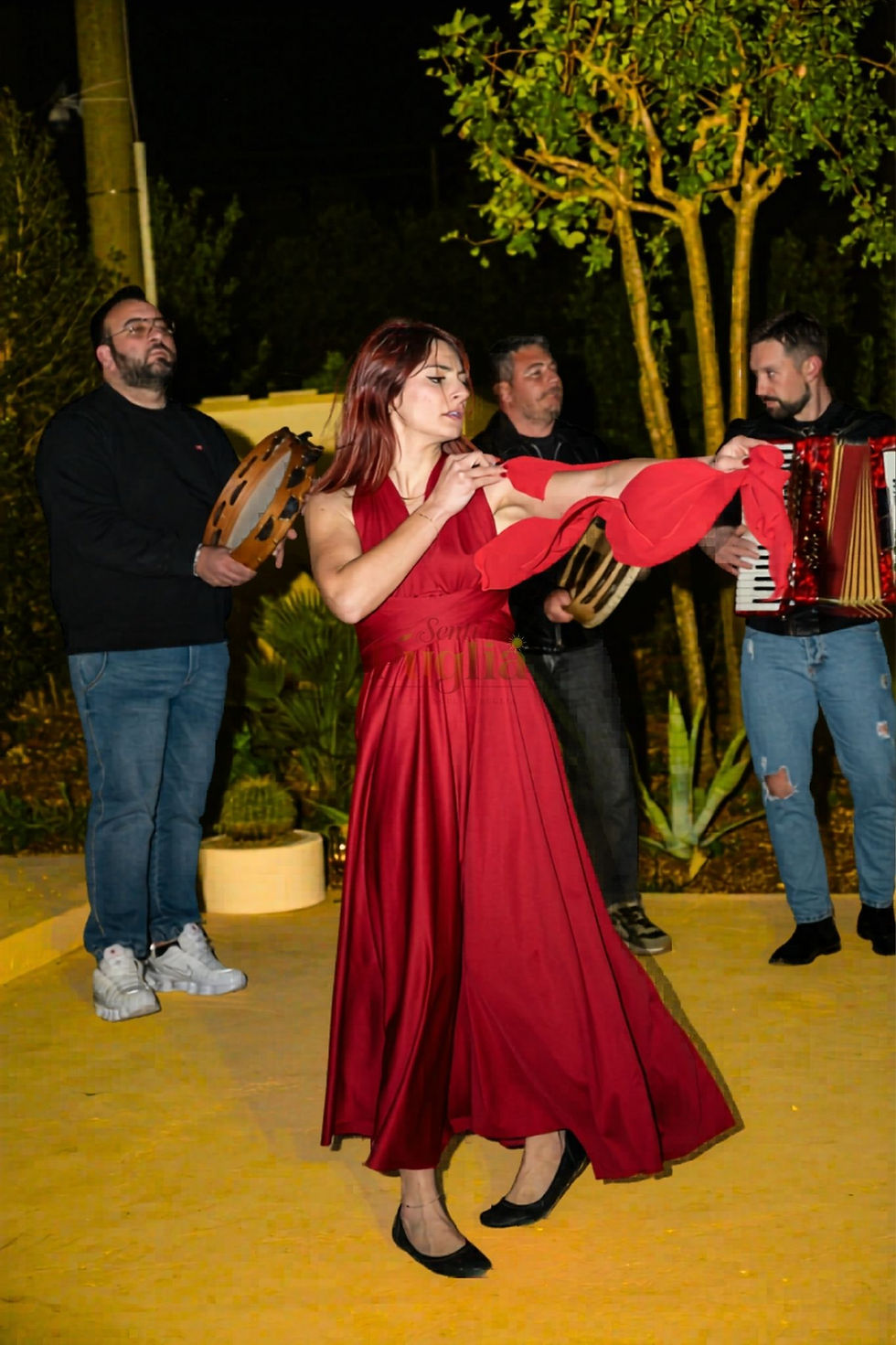
At Senti La Puglia, we believe that the best way to understand a culture is to experience it firsthand.
Our Pizzica workshops introduce visitors to the history, music and movements of this extraordinary tradition in a fun and welcoming environment.
Whether you join a public class, a private workshop or one of our cultural events, you’ll discover why Pizzica continues to capture the hearts of people from all over the world.
Ready to experience the rhythm of Puglia?
Explore our Pizzica Dance Class and discover the soul of Southern Italy.
Feel the Soul of Puglia. ❤️
Written by: Senti La Puglia
(Fabiano Semeraro & Silvia Calamo
Local hosts passionate
about preserving Puglia’s traditions
through authentic cultural experiences.)
⸻
Related Articles


Comments