.png)


What Is Burrata? Everything You Need to Know About Puglia's Most Famous Cheese

Updated: Sep 11
Few Italian cheeses have become as internationally famous as burrata.
Creamy, delicate and incredibly fresh, burrata has become a symbol of Apulian cuisine and one of the foods that travelers most look forward to tasting during their visit to Southern Italy.
Today, you'll find burrata served in restaurants all over the world.
But nowhere does it taste quite the same as in the region where it was born.
Freshly made, enjoyed just hours after production and paired with local olive oil, tomatoes and artisan bread, authentic burrata offers an unforgettable taste of Puglia.
In this guide, you'll discover what burrata is, where it comes from, how it's made and why it has become one of Italy's most celebrated cheeses.

What Is Burrata?
Burrata is a fresh Italian cheese made from cow's milk.
At first glance, it looks similar to mozzarella.
However, once you cut it open, you'll immediately notice the difference.
Inside its delicate outer shell lies a soft, creamy filling made from stracciatella thin strands of mozzarella mixed with fresh cream.
This rich, velvety center gives burrata its unmistakable texture and luxurious flavor.
The contrast between the smooth exterior and the creamy interior is what makes burrata so unique.
Where Does Burrata Come From?
Although burrata is now enjoyed across Italy and around the world, its origins are firmly rooted in Puglia.
It was first created in the early 20th century in the area of Andria, in northern Puglia.
According to local tradition, cheesemakers invented burrata as a way to avoid wasting leftover mozzarella scraps.
Instead of discarding them, they mixed the pieces with fresh cream and wrapped the filling inside a pouch of stretched mozzarella.
What began as a practical solution soon became one of Italy's most beloved cheeses.
Today, burrata is one of Puglia's greatest gastronomic treasures.
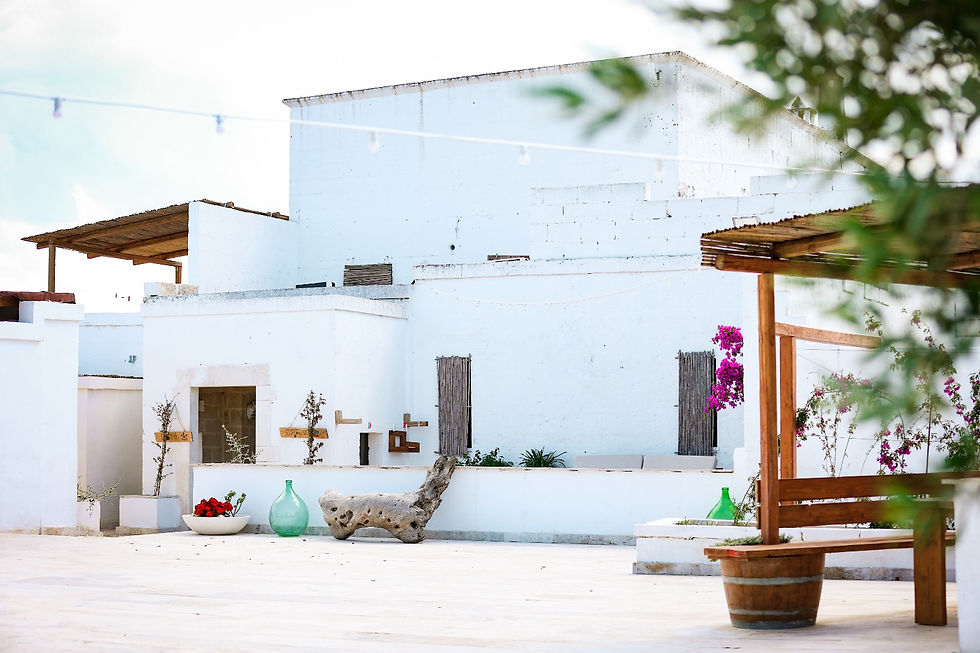
While reading about burrata is fascinating, the best way to understand its tradition is by visiting a local masseria, where skilled cheesemakers still prepare burrata and mozzarella by hand using traditional techniques that have been passed down for generations.
What Does Burrata Taste Like?
Burrata has a delicate, milky flavor with an incredibly creamy texture.
Unlike aged cheeses, it is fresh, light and naturally sweet.
Its flavor pairs beautifully with simple ingredients, allowing the quality of the cheese to shine.
Fresh tomatoes, extra virgin olive oil, basil and crusty bread are often all that's needed to create an unforgettable dish.
Burrata vs Mozzarella
Although they look similar, burrata and mozzarella are quite different.
Burrata | Mozzarella |
Filled with creamy stracciatella | Solid throughout |
Rich and buttery texture | Firmer texture |
Best eaten very fresh | Slightly longer shelf life |
More delicate flavor | More elastic consistency |
Both are delicious, but burrata offers a creamier and more indulgent experience.
How Is Burrata Made?
The process begins with fresh mozzarella.
Cheesemakers stretch the curd into a thin pouch before filling it with stracciatella and fresh cream.
The pouch is then carefully closed by hand, creating the characteristic round shape that makes burrata instantly recognizable.
Because burrata is so fresh, it is best enjoyed within a day or two of production.
This is one of the reasons why tasting burrata in Puglia is such a special experience.
Many travelers are surprised to discover that they can watch the entire cheesemaking process and even participate in it during an authentic Cheese Making Experience in Puglia.
Want to See Burrata Being Made by Hand?
One thing is reading about burrata.
Watching a local cheesemaker transform fresh milk into mozzarella and burrata inside a traditional masseria is a completely different experience.
How to Eat Burrata
One of the wonderful things about burrata is its simplicity.
It doesn't need complicated recipes.
Some of the most popular ways to enjoy it include:
With fresh tomatoes and basil.
Drizzled with extra virgin olive oil.
Served alongside artisan bread.
Paired with grilled vegetables.
Accompanying handmade orecchiette.
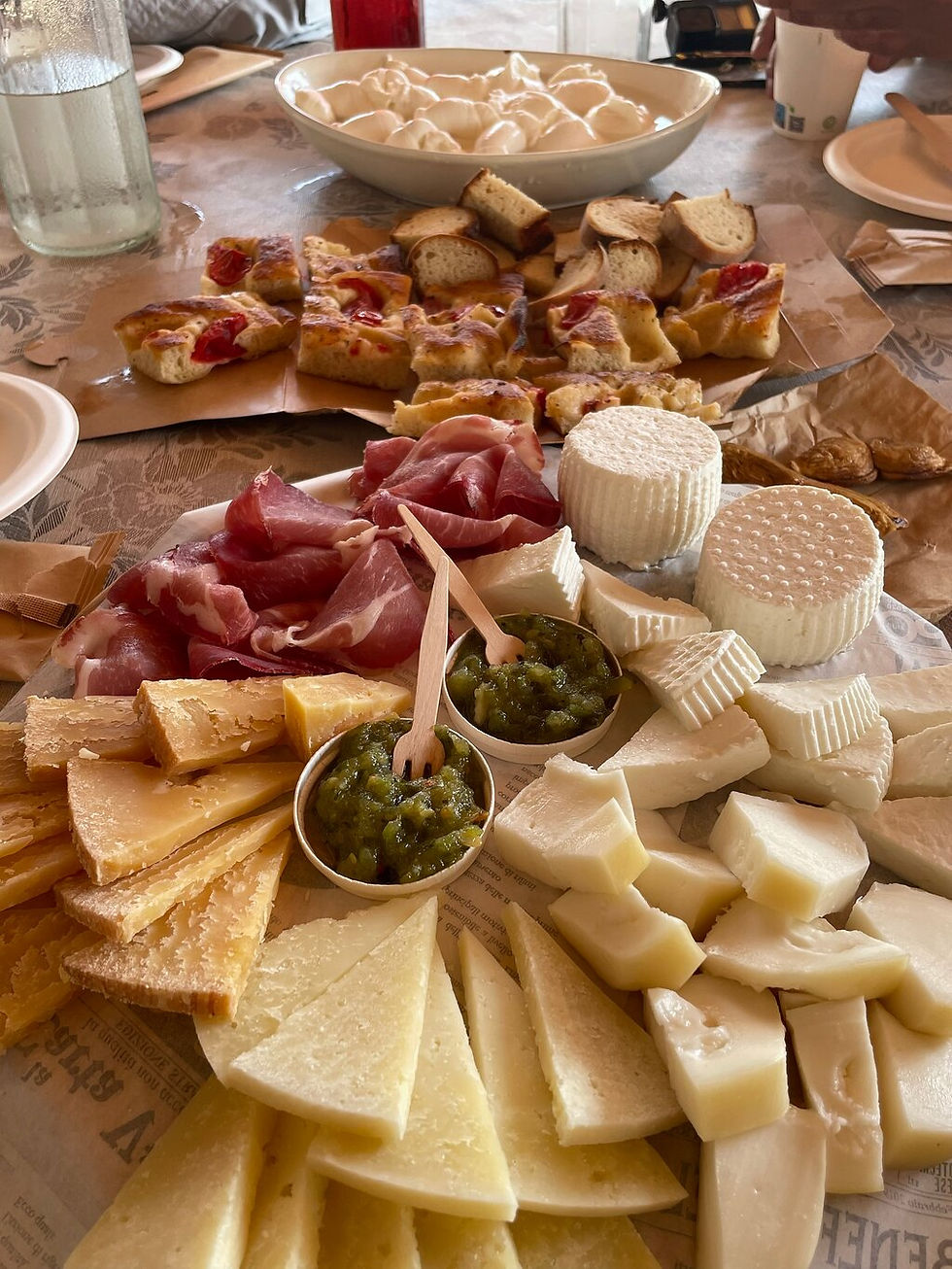
As part of a traditional Apulian antipasto.
The fresher the ingredients, the better the result.

Experience Burrata in Puglia
While burrata can now be found in many countries, tasting it in Puglia is a completely different experience.
Fresh local ingredients, family traditions and genuine hospitality create something that simply cannot be exported.
Many authentic cooking classes include burrata as part of the traditional appetizers served before guests begin preparing fresh handmade pasta.
It is the perfect introduction to the flavors of the region.
If you truly want to understand why burrata has become one of Italy’s most celebrated cheeses, there’s only one place to experience it: a traditional masseria in the heart of Puglia.
Here, cheesemaking is still a living tradition, passed down from one generation to the next.
During our Cheese Making Experience, you’ll visit a working masseria and meet a local casaro (cheesemaker), who will guide you through the fascinating process of transforming fresh milk into mozzarella and burrata using traditional techniques.
You’ll watch each step of the production process, discover the craftsmanship behind these iconic cheeses and learn why freshness is essential to their unique flavor and texture.
Of course, no visit would be complete without tasting them.
After the demonstration, you’ll enjoy freshly made mozzarella and burrata paired with local specialties, extra virgin olive oil and other authentic Apulian products, experiencing the flavors of the region exactly as locals do.
More than a tasting, it’s an opportunity to discover one of Puglia’s oldest culinary traditions through the people who preserve it every day.
Related Articles
Traditional Pasta of Puglia
Written by: Senti La Puglia
(Fabiano Semeraro & Silvia Calamo
Local hosts passionate
about preserving Puglia’s traditions
through authentic cultural experiences.)

Comments