
What Is Caciocavallo Cheese? Taste, Types and How to Eat It

Caciocavallo is a traditional southern Italian stretched-curd cheese, recognizable by its rounded shape, narrow neck and characteristic maturation. In Puglia, it is part of a rich rural dairy culture that extends far beyond fresh mozzarella and burrata.
This guide explains how caciocavallo is made, how its flavor changes with age, what makes the Podolico tradition distinctive and how to enjoy it during a visit to Puglia.
What Is Caciocavallo Cheese?
Caciocavallo belongs to the pasta filata family: cheesemakers work suitably acidified curd in hot water until it stretches into an elastic mass. It is traditionally made from cow’s milk, shaped by hand, salted and matured. Unlike fresh mozzarella, it is usually aged.
The familiar pear-like shape and narrow neck make it easy to recognize. Cheeses may be tied and hung in pairs during maturation. This practice is often linked to the name caciocavallo, although the name’s exact historical origin is debated.

Where Does Caciocavallo Come From?
Caciocavallo is produced in several parts of southern Italy, not only Puglia. Regional practices, milk and maturation conditions create different styles. In Puglia, the cheese reflects a long relationship between livestock, pastures, rural communities and skilled cheesemakers.
The generic name caciocavallo does not prove a particular origin, breed or certification. Ask producers about where the milk comes from and how their cheese is made.
How Is Caciocavallo Made?
Production begins with milk coagulation and curd cutting. The curd develops the acidity needed for stretching, then is worked with hot water, shaped, cooled and salted. The cheese is matured for a period chosen by the producer. Milk quality, acidity, stretching technique, salting and aging conditions all affect the result.
What Does Caciocavallo Taste Like?
Younger caciocavallo tends to be milky, supple and relatively mild, sometimes with a gentle tang. Longer aging generally produces a firmer texture and a more concentrated, savory or piquant flavor. The exact character varies between producers.
For a revealing tasting, compare a younger cheese with a mature one before adding accompaniments. Notice the aroma, texture, saltiness and length of the finish.

Caciocavallo Podolico: A Special Dairy Tradition
Caciocavallo Podolico is associated with milk from Podolica cattle, a hardy breed traditionally raised in extensive grazing systems in parts of southern Italy. It is valued for its connection with pastoral traditions and artisanal cheesemaking.
Not every caciocavallo is Podolico, and the word should not be treated as automatic proof of a protected designation. Ask about the cattle breed, milk source and production method when buying.
Caciocavallo vs Scamorza vs Provolone
All three are pasta filata cheeses, but they differ in customary shapes, maturation and production styles. Scamorza is often smaller and eaten relatively young, sometimes smoked. Provolone has its own styles and production rules. Caciocavallo encompasses different regional and aging traditions; the label and producer provide more reliable guidance than appearance alone.
How to Eat Caciocavallo
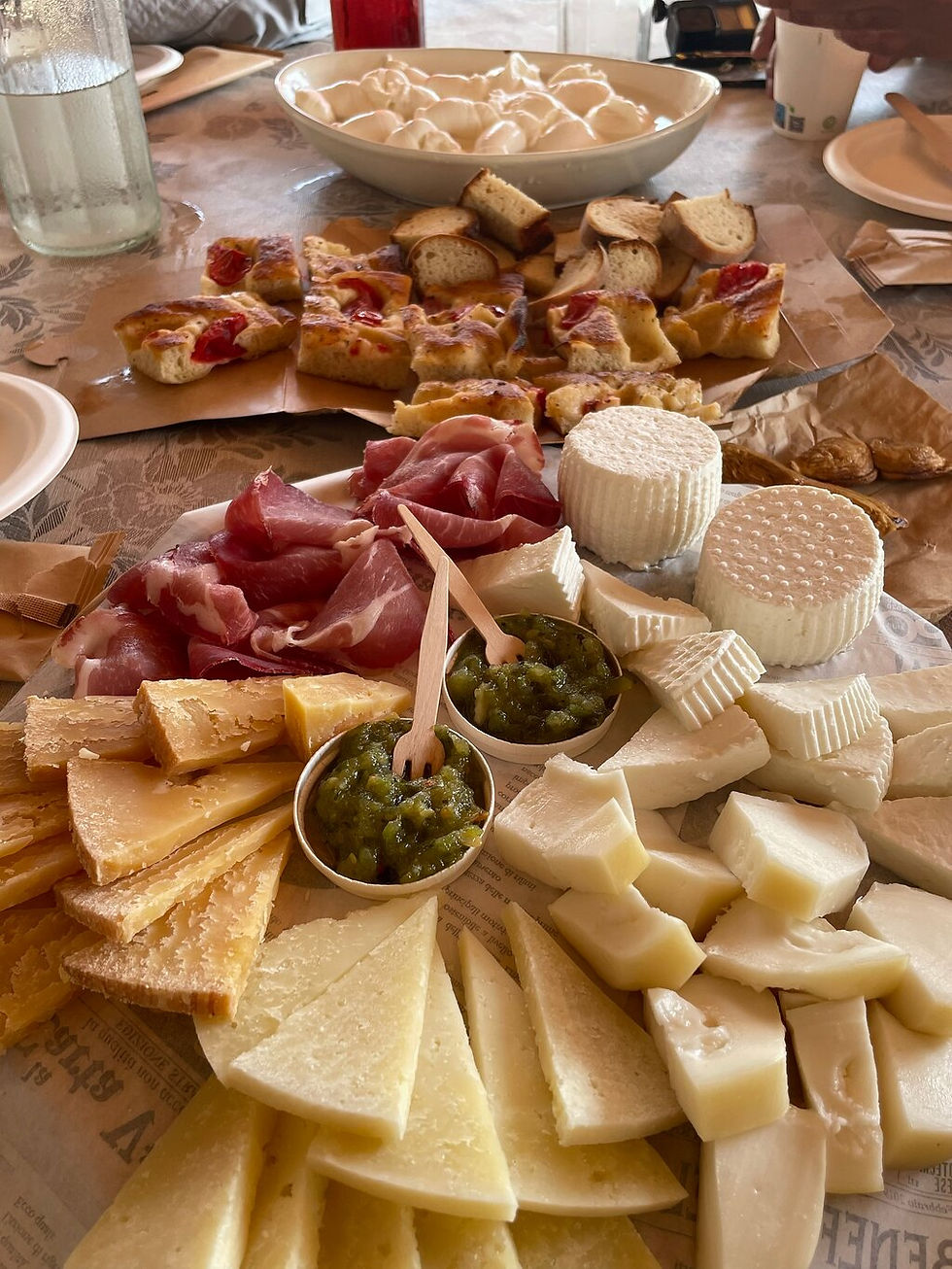
Serve younger caciocavallo in slices with rustic bread, seasonal vegetables and a simple antipasto. More mature pieces can be enjoyed in smaller portions, or grated over dishes when their texture is suitable.
Caciocavallo alla piastra is a particularly appealing preparation: warm slices on a hot griddle until lightly colored outside and softened inside. Serve immediately. Because melting behavior varies with age and moisture, ask the cheesemonger which piece is best for grilling.
For pairings, try a regional white or rosé with milder cheese and consider a fuller-bodied wine with a more mature, intensely flavored piece. Taste the cheese on its own first.
Why Caciocavallo Matters in Puglia
Caciocavallo tells a story of rural Puglia: cattle farming, the careful transformation of milk and the patience needed to turn fresh curd into a cheese with its own identity. For travelers interested in local food, tasting it is an opportunity to discover the people and skills behind the product, not simply another item on an antipasto board.
The same cheese can taste remarkably different from one dairy to another. The milk, the season, the cheesemaker’s decisions and the time spent maturing all contribute to its character. This is why asking who made a cheese is often more useful than relying on a generic label.
How to Taste Caciocavallo Like a Local
Start with a small piece at a comfortable serving temperature, following the producer’s food-safety advice. Notice whether the texture is elastic or crumbly, whether the aroma suggests fresh milk or more developed savory notes, and how the flavor changes after swallowing. Compare different maturities side by side whenever possible.
For a simple Apulian-style tasting, serve it with good bread, seasonal vegetables and a little extra virgin olive oil on the side. Keep accompaniments modest at first so that the cheese remains the focus. If you try caciocavallo alla piastra, eat it while warm, when the surface is lightly golden and the middle has softened.
Where to Eat Caciocavallo in Puglia: From Trattorias to a Masseria
You may find caciocavallo on antipasto platters, at traditional trattorias or served warm from a griddle. Ask whether the restaurant uses a locally produced cheese and whether the preparation is made with a younger or more mature variety. The answer can tell you a great deal about the flavor and texture to expect.
For a closer connection to its origins, visit a working dairy or masseria. With Senti La Puglia’s cheese-making experience, guests can meet the cheesemaker, discover the traditional dairy setting and taste caciocavallo produced at the masseria. It is a chance to connect the flavor on the plate with the place and the craft behind it.

If tasting locally produced caciocavallo is a priority, mention it when arranging your visit so the team can confirm the tasting details for your chosen date. Production and the selection of cheeses can vary.
What to Ask the Cheesemaker
Curious visitors can ask which milk is used, where it comes from, how the curd is stretched, why the cheese is hung, and how long different pieces mature. Ask to compare younger and older examples if available: the contrast helps explain why caciocavallo can range from delicate and milky to deeply savory.
Where to Try Caciocavallo in Puglia
Look for knowledgeable local dairies, food shops, markets and restaurants. Ask whether the cheese is locally produced, how long it has matured and whether it is best for slicing or grilling. Rural and inland areas can offer especially interesting encounters with traditional cheesemaking.
A dairy visit can show how curd is stretched and shaped, and how maturation changes the cheese. Check whether demonstrations and visits are offered before traveling.
Buying and Storing Caciocavallo
Choose a retailer who can explain the producer and maturity of the cheese. Follow the label and seller’s instructions for refrigeration, wrapping and use-by dates. If traveling, plan for safe storage and transport.
Frequently Asked Questions
Is caciocavallo made from horse’s milk?
No. Despite its name, caciocavallo is traditionally made from cow’s milk.
Is caciocavallo the same as mozzarella?
No. Both are stretched-curd cheeses, but mozzarella is typically eaten fresh, whereas caciocavallo is shaped and matured.
Can you grill caciocavallo?
Yes. Suitable slices can be heated on a griddle or in a pan until softened and lightly browned. Choose a cheese with an appropriate texture for cooking.
Is all caciocavallo from Puglia?
No. Caciocavallo is made across southern Italy. The name alone does not identify its exact origin.
Discover More Apulian Cheese Traditions
Explore our complete guide to the cheeses of Puglia for a broader overview of traditional varieties, or discover how creamy burrata differs from aged cheeses such as caciocavallo.
To see traditional dairy skills up close, explore our cheese-making experience in a Puglian masseria and confirm availability before planning your visit.


Comments