.png)


Tarantism and Pizzica: The Healing Dance of Southern Italy
Updated: Aug 31
In the heart of Southern Italy, particularly in the Salento region of Puglia, a unique and powerful tradition has captivated both historians and travelers: Tarantism, a cultural and spiritual phenomenon, and its rhythmic cure, the Pizzica dance.
What is Tarantism?
Tarantism is a historical cultural syndrome that emerged in the Middle Ages, where individuals (often women), were believed to be bitten by a tarantula spider, causing symptoms like hysteria, anxiety, and physical agitation. The only known "cure" was an intense, rhythmic dance to a specific type of folk music. This ritual was not just a performance, it was an emotional and physical exorcism.
While science has long since debunked the spider theory, the tradition lives on as a powerful expression of identity, release, and community.

Pizzica: The Rhythmic Cure
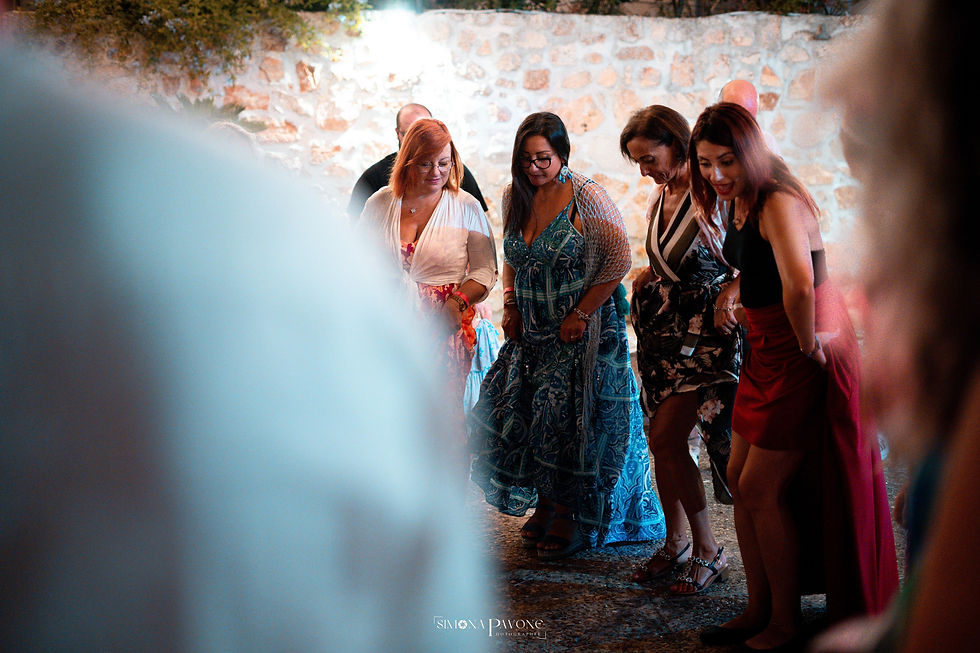
The Pizzica (from the Italian word pizzicare, meaning "to pinch") is a form of traditional Italian folk dance associated with Tarantism. It’s characterized by fast-paced, hypnotic rhythms produced by the tamburello (a type of large tambourine), violins, guitars, and sometimes accordion. The dance is often performed in pairs, with swirling skirts, stomping feet, and intense eye contact.
Today, Pizzica music and dance are celebrated not only for their historical roots but also as a vibrant part of Salento’s cultural heritage. Events like La Notte della Taranta, one of the largest music festivals in Europe, bring together thousands of people to dance under the stars and reconnect with this ancient healing ritual.
Tarantism Today: From Ritual to Revival
Though no longer seen as a medical cure, Tarantism has found new life in the world of ethnomusicology, dance therapy, and cultural tourism. Travelers visiting Puglia are increasingly drawn to workshops, performances, and festivals centered around the Pizzica dance, experiencing firsthand the emotional power and communal joy of this tradition.

Why Tarantism and Pizzica Matter
In a time when modern life often feels disconnected from community and emotion, the story of Tarantism and the dance of Pizzica remind us of the healing power of rhythm, music, and movement. They offer a deep dive into how traditional cultures used art not just for entertainment, but for psychological release, spiritual healing, and social connection.
If you too want to learn about this dance, book now our experience with the anthropologist and pizzica teacher Silvia
Feel the Soul of Puglia. ❤️
Written by: Senti La Puglia
(Fabiano Semeraro & Silvia Calamo
Local hosts passionate
about preserving Puglia’s traditions
through authentic cultural experiences.)
Related Articles


Comments